


| Grantee | Bangor University ↗ |
| Location | Indonesia |
| Grant Amount | $117,411 |
| Duration | 3 Years |
| Type of Grant | Core |
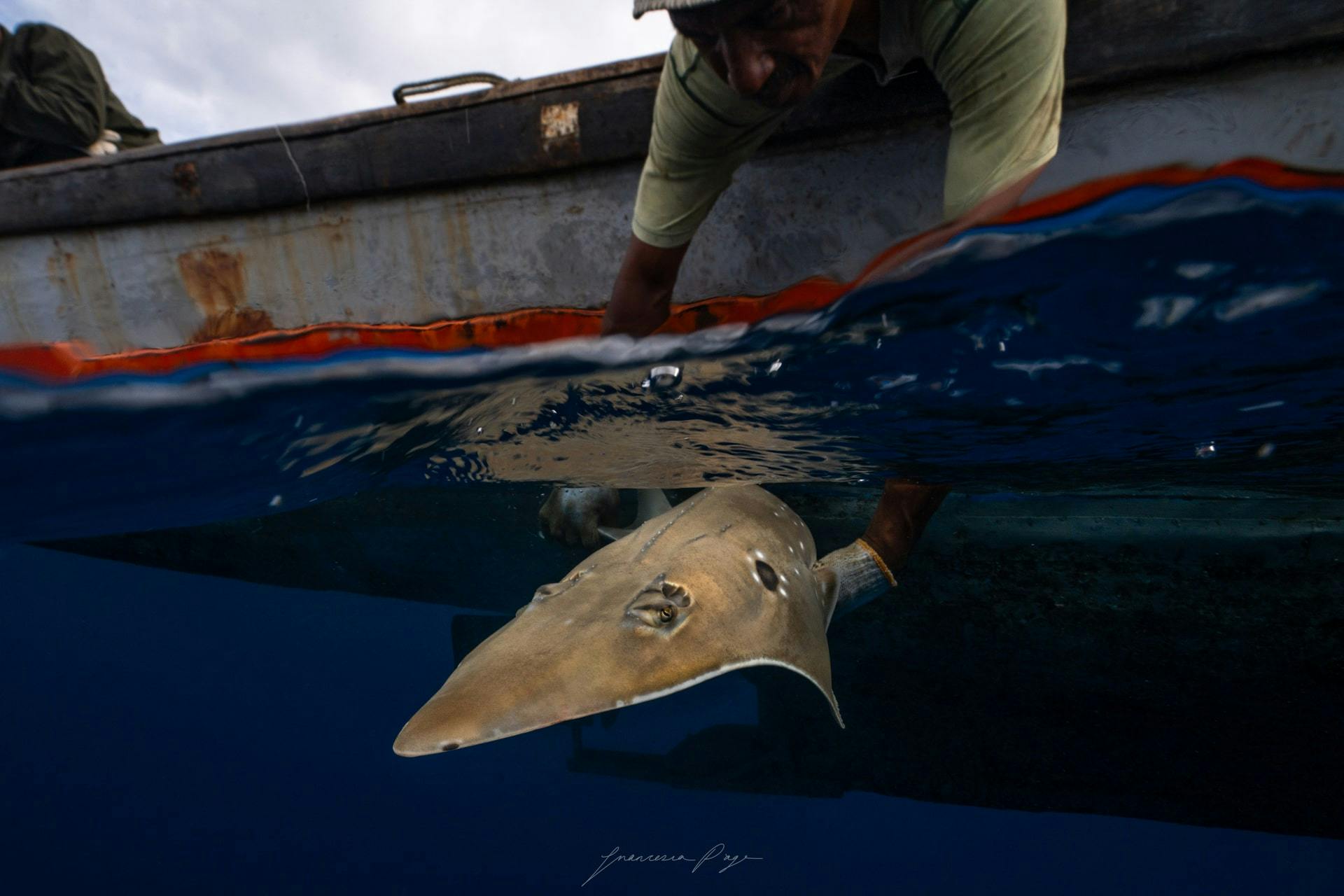
Indonesia is a global priority for shark and ray conservation because it is a hotspot of species diversity and endemicity, as well as a hotspot of fishing pressure. Yet with more than 17,000 islands, 6.4 million km² of total maritime territory, and an estimated 2.3 million fishers (of whom over 90% work in small-scale fisheries), it is also a challenging country to effectively manage fisheries and trade. This complexity necessitates an integrated approach, with evidence-based management measures to regulate fisheries and trade, alongside collaborative and community-based solutions for effective implementation.
Our multi-scale, multi-site and multi-partner project is implemented through a collaborative network of researchers, government bodies, grassroots NGOs and coastal communities, with the aim of co-designing and implementing evidence-based approaches to reduce fishing mortality of some of the worlds most endangered and heavily exploited species. This project aims to protect threatened species from fishing pressure, reduce the negative impacts of wider fishing effort on threatened and CITES-listed species, and implement CITES listings.